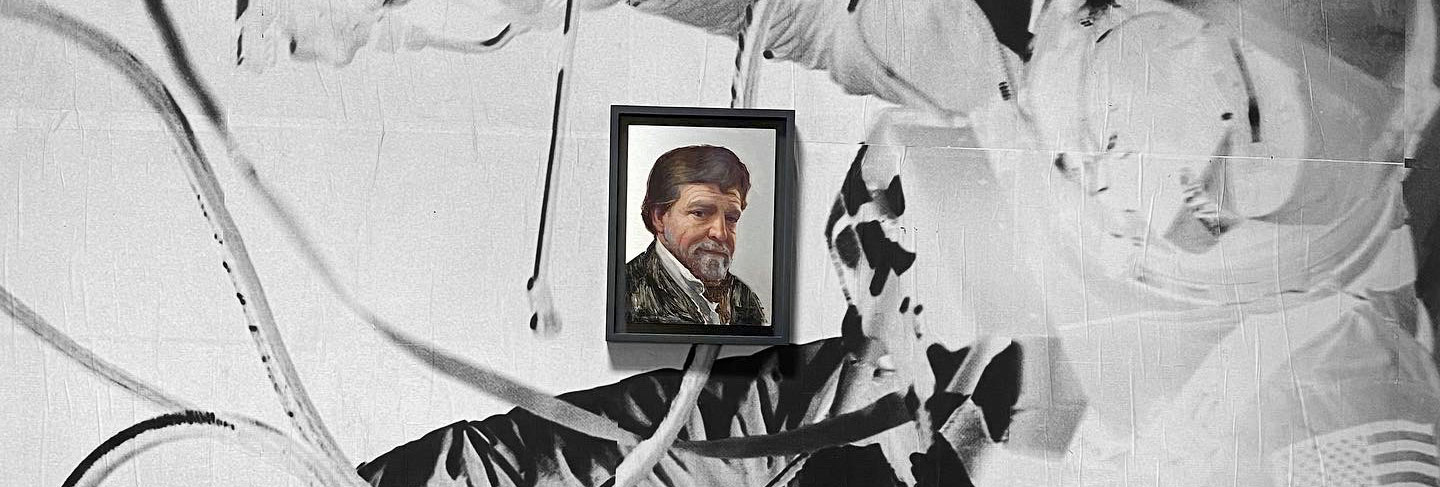
Privacy is not secrecy.
Privacy is the space where a human being becomes a self.
We are told that surveillance is the price of connection, that extraction is the cost of participation, that optimization is progress. This is a lie dressed as convenience. When every gesture is tracked, modeled, and monetized, freedom collapses quietly—without spectacle, without consent.
In the digital age, power belongs to those who see without being seen.
Data is not passive. It is a weapon. It predicts, nudges, amplifies, and divides. When intimacy is harvested at scale, persuasion becomes invisible and democracy becomes fragile. What we think we choose is increasingly chosen for us.
We have already seen this.
Information systems have been used to destabilize nations, inflame conflict, and erode trust—from Ukraine to countless other geographies where algorithmic amplification turned narrative into force. These harms are not accidental. They are structural, rewarded by business models that profit from outrage and confusion.
Privacy is a collective defense.
There is no meaningful “opt-out” in a world where digital infrastructure governs public life. Individual choice cannot counter systemic extraction. Without limits, transparency becomes theater and consent becomes fiction.
To be constantly watched is to be slowly edited.
Surveillance reshapes behavior. It narrows imagination. It teaches people to perform instead of reflect, to conform instead of dissent. A society that knows it is being observed learns to censor itself long before authority intervenes.
Children are growing up inside these systems.
This is unprecedented. Identity is forming under continuous measurement. Memory, attention, and desire are being trained by algorithms optimized for profit, not care. Defending privacy is inseparable from defending childhood and the future.
Art resists what cannot be quantified.
Art restores interiority. It protects ambiguity, slowness, and the right to be unreadable. In a culture obsessed with extraction, art insists that not everything must be known, ranked, or sold.
We reject a future built on total visibility.
We reject the idea that convenience outweighs dignity, that connection requires surrender, that surveillance is inevitable. Technology is not destiny. It is design—and design can be changed.
Privacy is not nostalgia.
It is a demand for agency.
It is the right to think, feel, and imagine without being optimized.
It is the condition for freedom, democracy, and hope.
I insist on boundaries.
I insist on limits.
I insist on a world where being human is not a data point.


